

Subcision
What is subcision?
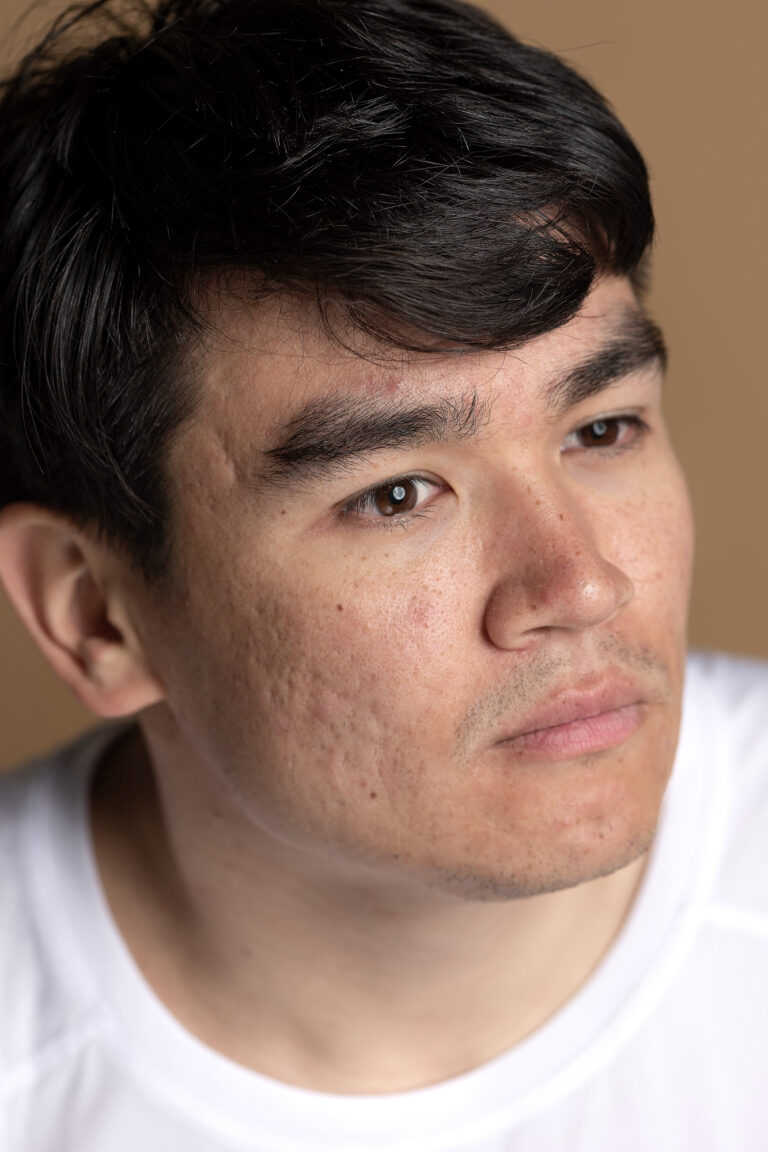
How does subcision work?
In a subcision treatment, a small needle is inserted into your skin to pull the acne scar from the underlying tissues. This allows the skin in that area to rise, diminishing the uneven texture of your skin caused by acne scars.
Subcision is usually used on depressed scars, wrinkles and cellulite. This needle insertion only interrupts the area right underneath the scar on skin, triggering collagen release at the site of needle insertion.
Subcision targets the fibrous tissue that causes certain acne scars to appear sunken or indented. By carefully releasing these attachments beneath the skin, the treatment helps elevate depressed scars and supports collagen formation during healing. Over time, this can reduce the appearance of acne scars and create a smoother, more even-looking skin surface.
Benefits of subcision
- Highly effective for acne scars
- Fast results compared to laser treatments
- Cost effective
- Works well for deeper scars such as box-car acne scars
- Promotes collagen production
- Acne Scars
Frequently Asked Question
Subcision is usually performed under local anaesthesia to minimise discomfort during the procedure. Patients may experience mild pressure or pulling sensations during treatment. After the procedure, temporary tenderness, swelling or bruising may occur. The level of discomfort varies depending on individual pain tolerance and the treatment area.
Subcision typically involves temporary redness, swelling, tenderness and bruising around the treated areas. Swelling may improve within several days, while bruising can take approximately 1–2 weeks or longer to resolve. Most patients can resume routine daily activities relatively soon, although recovery time varies. Your doctor will provide specific aftercare instructions to support healing.
The number of Subcision sessions depends on the severity, depth and type of acne scars. Some patients may notice improvement after one session, while others may require approximately 3–6 sessions for more significant scarring. Treatments are generally spaced at least four weeks apart to allow sufficient healing. Your doctor will recommend a personalised treatment plan based on your skin condition.
Subcision and laser treatments address acne scars through different mechanisms. Subcision releases fibrous bands beneath the skin that pull depressed scars downward, making it particularly suitable for rolling acne scars. Laser treatments primarily improve skin texture through controlled resurfacing and collagen stimulation. For patients with multiple types of acne scars, a combination of both treatments may be recommended.
It is generally recommended to control active inflammatory acne before undergoing Subcision. Treating active breakouts first helps reduce the risk of further scarring and allows your doctor to assess existing acne scars more accurately. Once the acne is adequately controlled, a personalised scar treatment plan can be developed.
Subcision is also used for…
- Acne & Acne Scar
- Skin Rejuvenation
- Ice-Pick and Boxcar Scars
- Depressed Surgical Scars

