Chemical Peel
What is Chemical Peel?
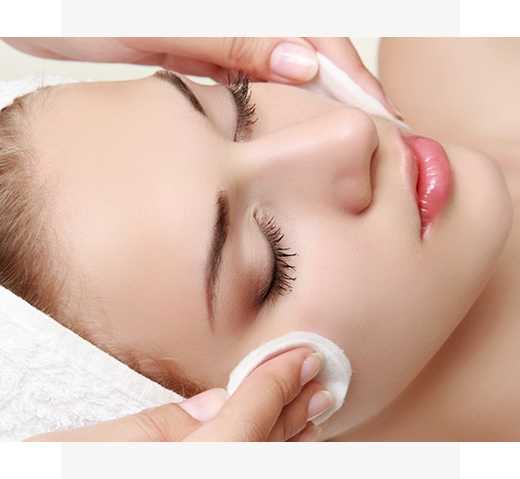
A chemical peel is a clinical skin-resurfacing procedure that uses a specialized, scientifically formulated acid solution applied to the skin. This solution gently breaks down the bonds between dead skin cells, causing them to safely exfoliate and eventually peel away.
Our medical-grade Chemical Peel treatments offer a fast, safe, and highly effective way to deeply exfoliate your skin. By removing damaged outer layers, a chemical peel accelerates your skin’s natural renewal process, revealing the fresh, smooth, and flawless complexion hidden underneath.
How does Chemical Peel work?
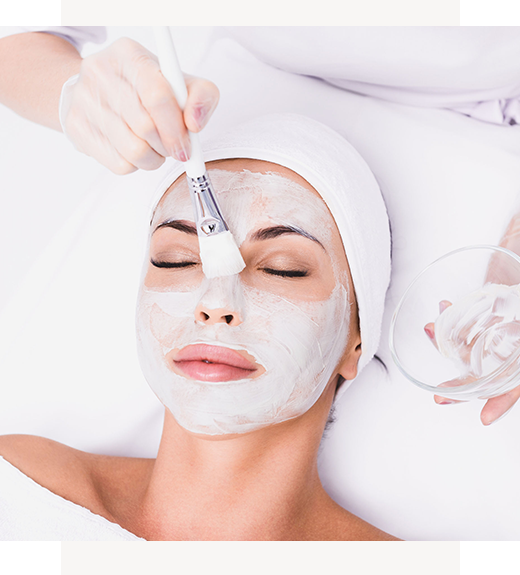
As the chemical peel works on your skin, the upper layer of your skin is removed, giving away to a new layer of skin right underneath. This promotes the rejuvenation of your new skin cells, tightening and smoothing your skin in the process.
Aside from firmer and smoother skin, you can also expect to clear off some blemishes such as acne or acne scars, pigmentation, melasma and age spots. Your skin tightening would also mean that you’re removing the fine lines forming wrinkles on your skin for a radiant and youthful complexion.
There are various types of chemical peels to cater to different skin types, strength levels and problems. Superficial and medium peels cater to skin surface problems, such as your skin texture, pigmentation and wrinkles. Deep peels tackle more severe conditions, including acne and acne scars.
Benefits of Chemical Peel
- Effective acne treatment
- Minimizes pores
- Erases fine lines and wrinkles
- Fades discoloration
- Lifts and firms skin
- Soothes scarring
- Balances texture
- Smoothes skin
- Non-invasive treatment
- No downtime
Frequently Asked Question
Yes. Chemical peels can help manage certain types of acne by exfoliating dead skin cells, unclogging pores and reducing excess oil. They may also improve post-acne pigmentation and mild superficial acne scars. However, deeper acne scars usually require additional treatments for more noticeable improvement.
Some gentle chemical peels may be suitable for sensitive skin, depending on its condition and tolerance. However, individuals with an impaired skin barrier, active irritation, eczema or rosacea may need to avoid or postpone treatment. A proper skin assessment is important to minimise irritation.
Downtime depends on the type and depth of the chemical peel. Superficial peels generally have minimal downtime, although mild redness or flaking may occur for several days.
Some individuals may notice smoother, brighter-looking skin after their first session. However, concerns such as acne, pigmentation and uneven skin texture may require multiple sessions for gradual improvement. The recommended number of treatments depends on your skin condition, treatment goals and response.
Superficial chemical peels may be performed approximately every 3–4 weeks, depending on skin tolerance and the formulation used. Your doctor will recommend an appropriate treatment schedule based on your skin’s needs.
A chemical peel session at EE Clinic typically takes approximately 30–60 minutes, depending on the treatment area, type of peel and skin preparation required. Treatment duration may vary according to individual needs.
The most suitable chemical peel depends on your skin type, sensitivity, pigmentation concerns, acne severity and treatment goals. At EE Clinic, a doctor can assess your skin condition and recommend an appropriate chemical peel treatment plan to help you achieve healthier-looking skin while minimising potential risks.
Chemical Peel is also used for…
- Acne & Acne Scar
- Skin Rejuvenation
- Melasma / Pigmentation / Age Spot / Whitening